Start a chapter
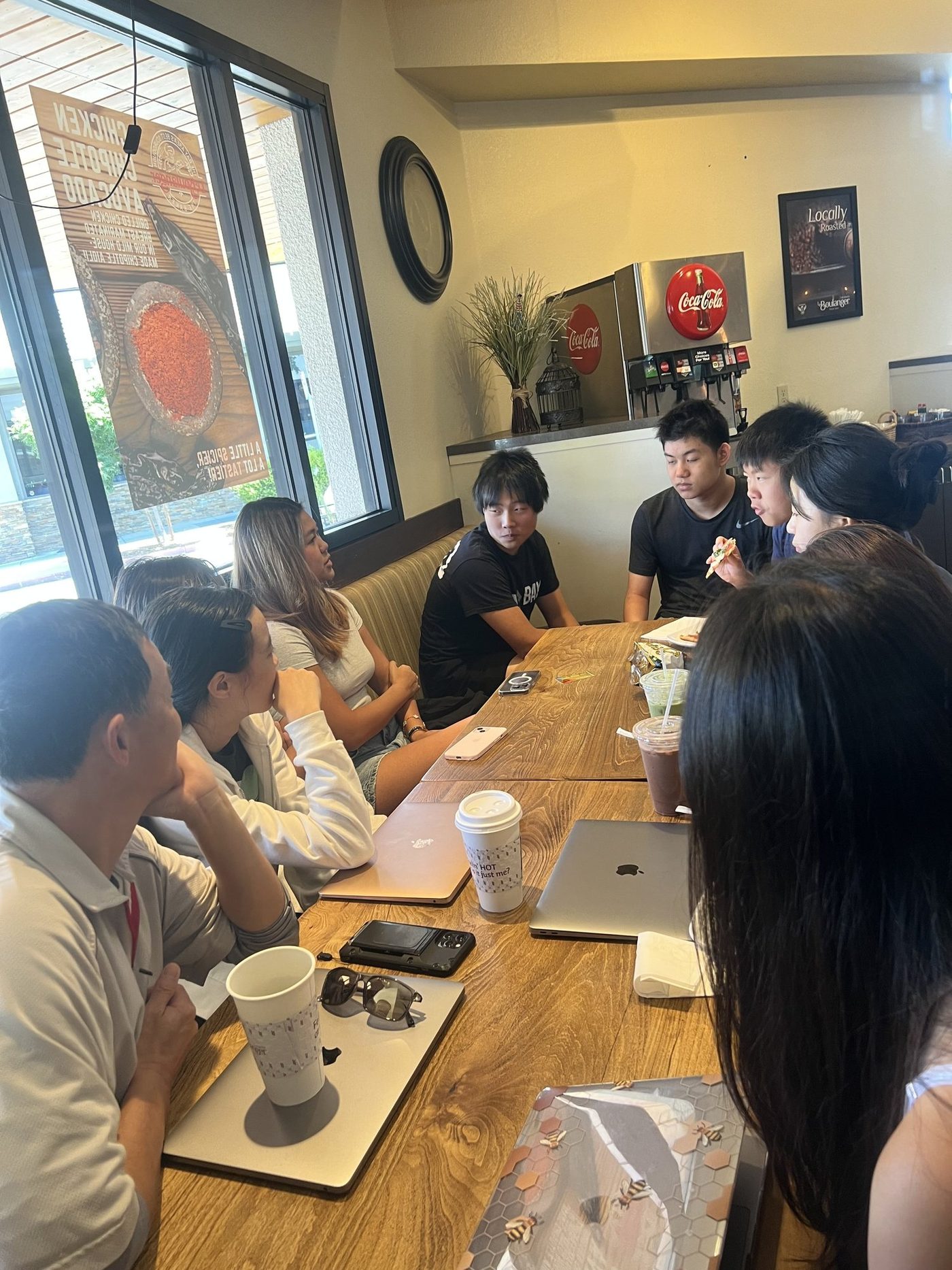
A chapter is three or more students who read what is being decided where they live, explain it so a neighbor can follow it, and then work on the ones that affect people they know.
We have 14 chapters and we would like to help you start the next one. It costs nothing and takes one email to begin.
What a chapter does
- Reads one local issue. Something being decided by a body you can name: a city council, a school board, a planning commission, a county board of supervisors.
- Writes a brief. A short paper saying what the problem is, who decides it, what you found and what you recommend. What goes into a brief.
- Films an explainer. One local bill in plain English, for our video series.
- Shows up. Public comment at the meeting, a half hour with a staffer, or a letter into the written record.
We are nonpartisan in what we explain. On the few items a chapter works to change, we say plainly which side we are on.
14 chapters so far
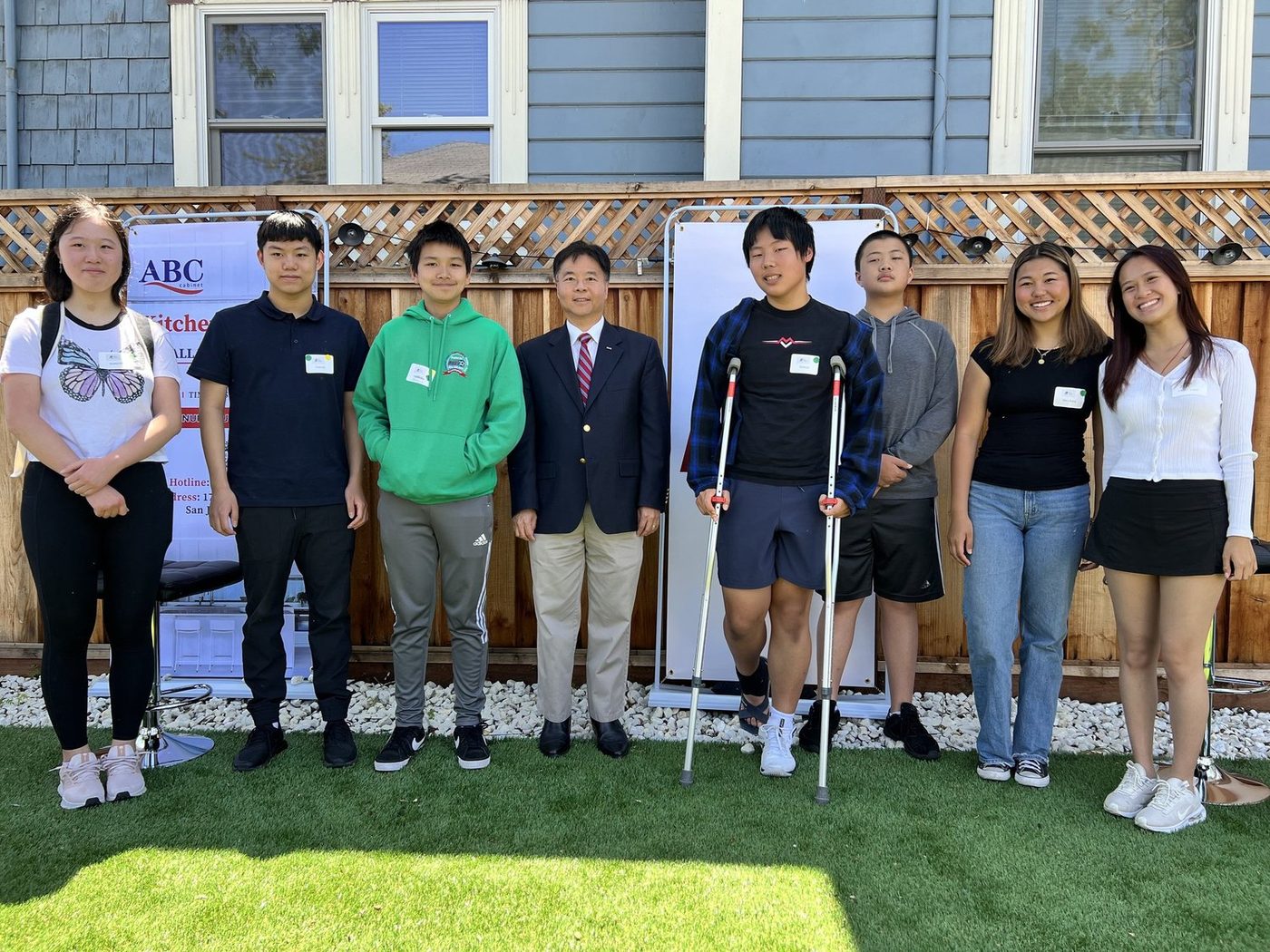
Chapters are student led. Each one picks its own issue, because what is being decided in one town is not what is being decided in the next.
Starting one takes three students, one problem you can name, and an email. The steps are below.
How to start one
There is no fee, no minimum school size, and you do not need a teacher to sponsor you before you write to us.
- Find two other students. Three of you is enough to begin.
- Pick a problem you can name. Write to us even if it is still too broad. Narrowing it is the first thing we do together, and it is the thing new chapters get wrong most often.
- Email us. Tell us your name, your school and county, and the problem. That is everything we need to reply.
What we provide
A method in writing
The first six weeks, week by week, from naming the office that decides your problem to delivering the brief. It is set out further down this page.
Somebody to read your draft
Send it to us. We read every one and send it back with notes. The brief stays yours; we do not write it for you.
The right office
Working out who actually decides your problem, and who inside that office to write to, is the slowest part to do alone. We do it with you.
The first six weeks
Each week ends in something you can show somebody. It is a method and not a rule: a chapter that needs eight weeks takes eight weeks.
- Pick the problem and name the body that decides it. You should end the week with one sentence naming a decision maker. If you cannot name one, the problem is still too big.
- Read the last three agenda packets from that body. You should end with a list of every time your problem came up, and what happened to it.
- Find the money. The budget line, the amount, and the year it last changed.
- Interview at least one person the problem happens to. Notes, and written permission to quote them.
- Write the brief. Three pages at most. Send us the draft. We read every one.
- Deliver it and show up. Public comment, a meeting with a staffer, or the written record. Then tell us what came back.
The video series
Local legislation, explained, is our video series: one local bill an episode, in plain English. What it does, why it exists, who is for it and who is against it.
An episode runs a few minutes, and the chapter that films it is the one the bill affects. Episodes go up on our Instagram (@youthcivicengagementinitiative) and our TikTok (@youthcivicengagem).
Your chapter can film one in its first term, before the brief is finished.